There are so many delicious and unique fruits that hail from Asia and if you haven’t tried them yet, you’re missing out. Aside from the nutrition factor, some of these South East Asian fruits are loaded with sweet flavor. Read on to discover some of the tastiest, most exotic fruits in the world.
Table of Contents
Jackfruit
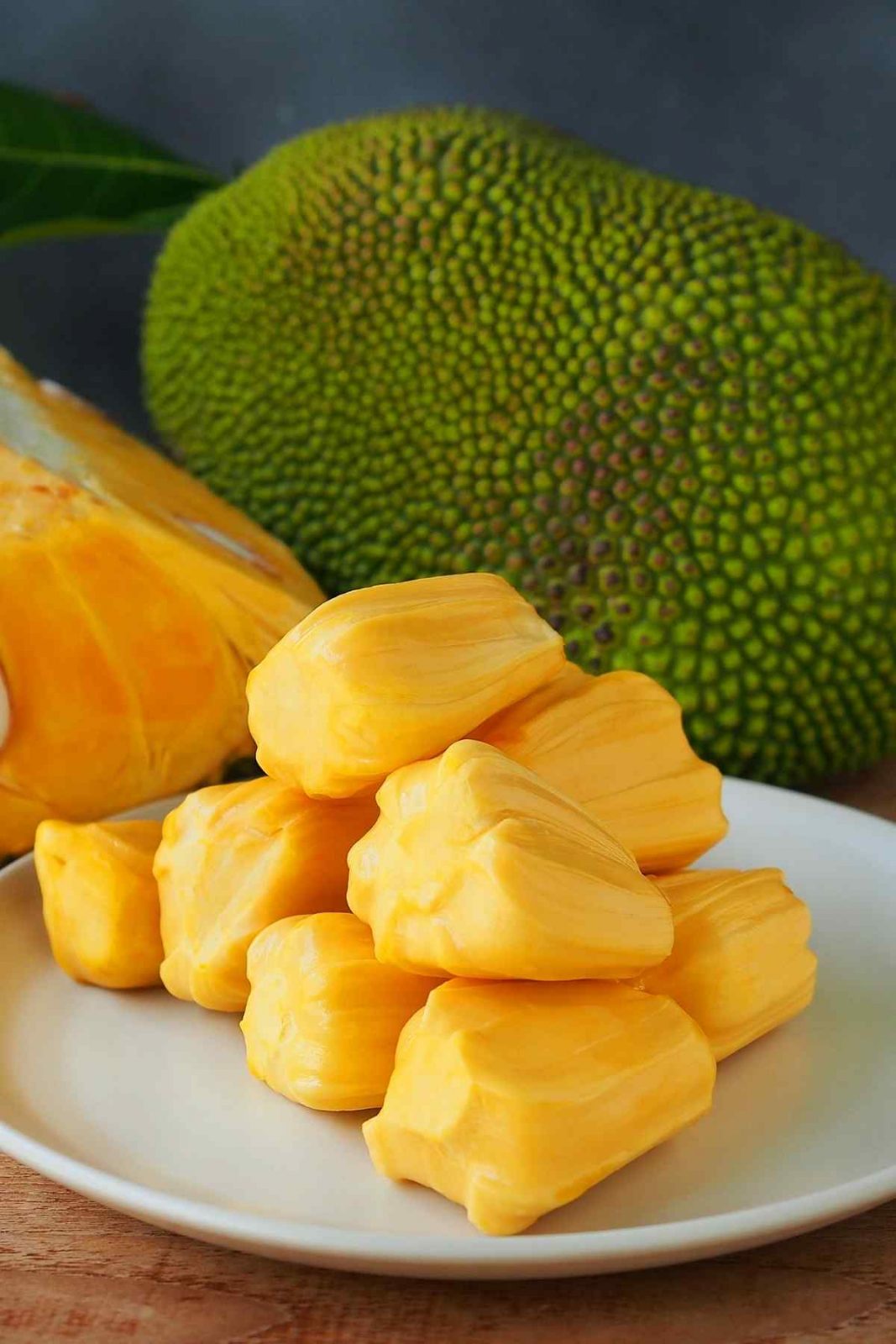
Originally found in South Asia and the Indian Subcontinent, jackfruit is also known as the national fruit of Bangladesh. It is the largest fruit on the planet and can grow as big as 40” in length, with a weight of 50 pounds! You can find easier-to-carry sizes at local markets, of course.
High in fiber, jackfruit is very good for you and is bursting with the scents of apple, mango, pineapple, and banana.
Lychee
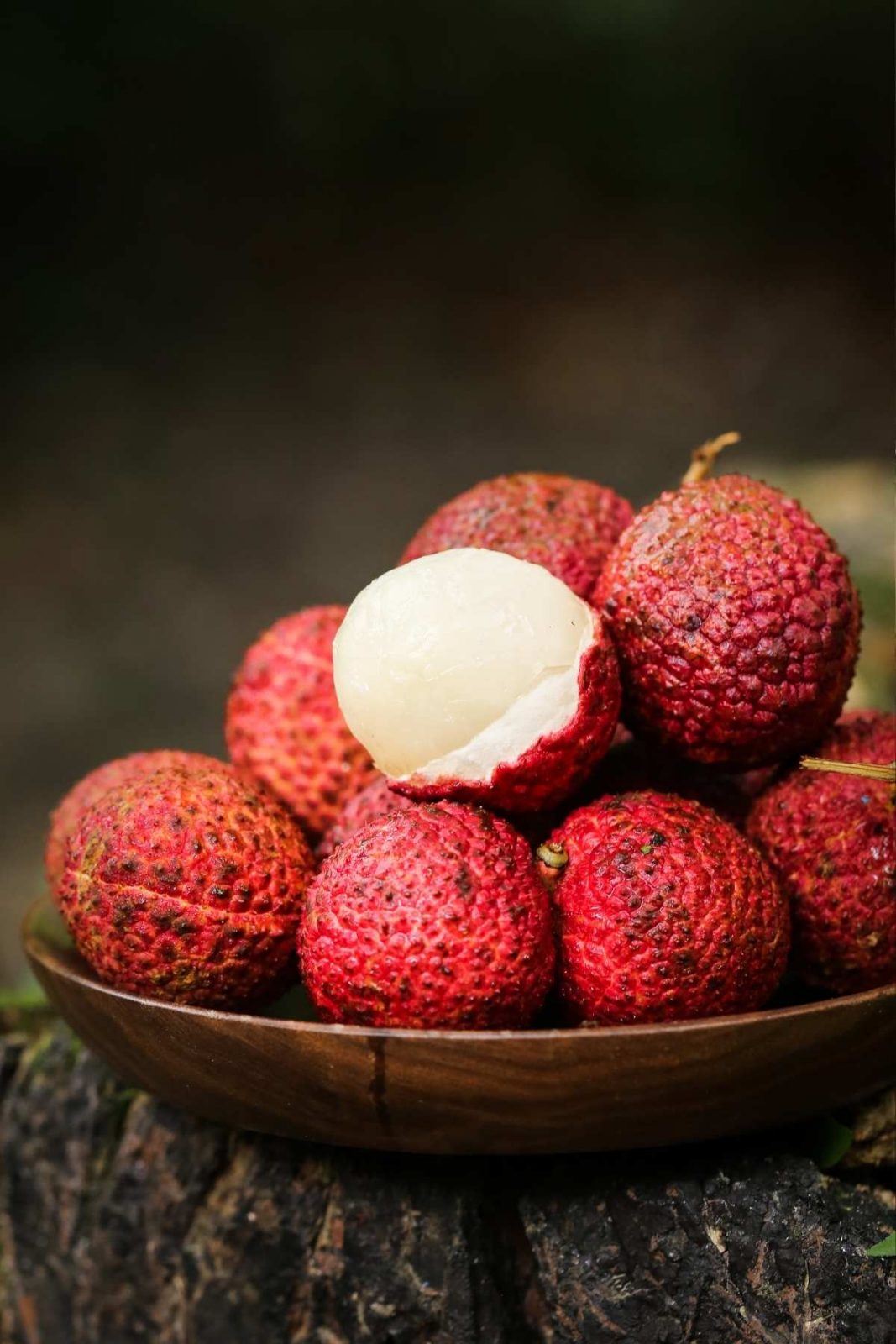
Mostly cultivated in southern Chinese provinces, the lychee is a popular Asian fruit. It grows on evergreen tropical trees. They are red on the outside but the skin isn’t edible. The fruit lies in the flesh beneath the surface.
Typically found in desserts, lychee is rich in vitamin C. It is often sold canned, but the taste isn’t always the same. Nothing compares to fresh lychee.
Asian Pear
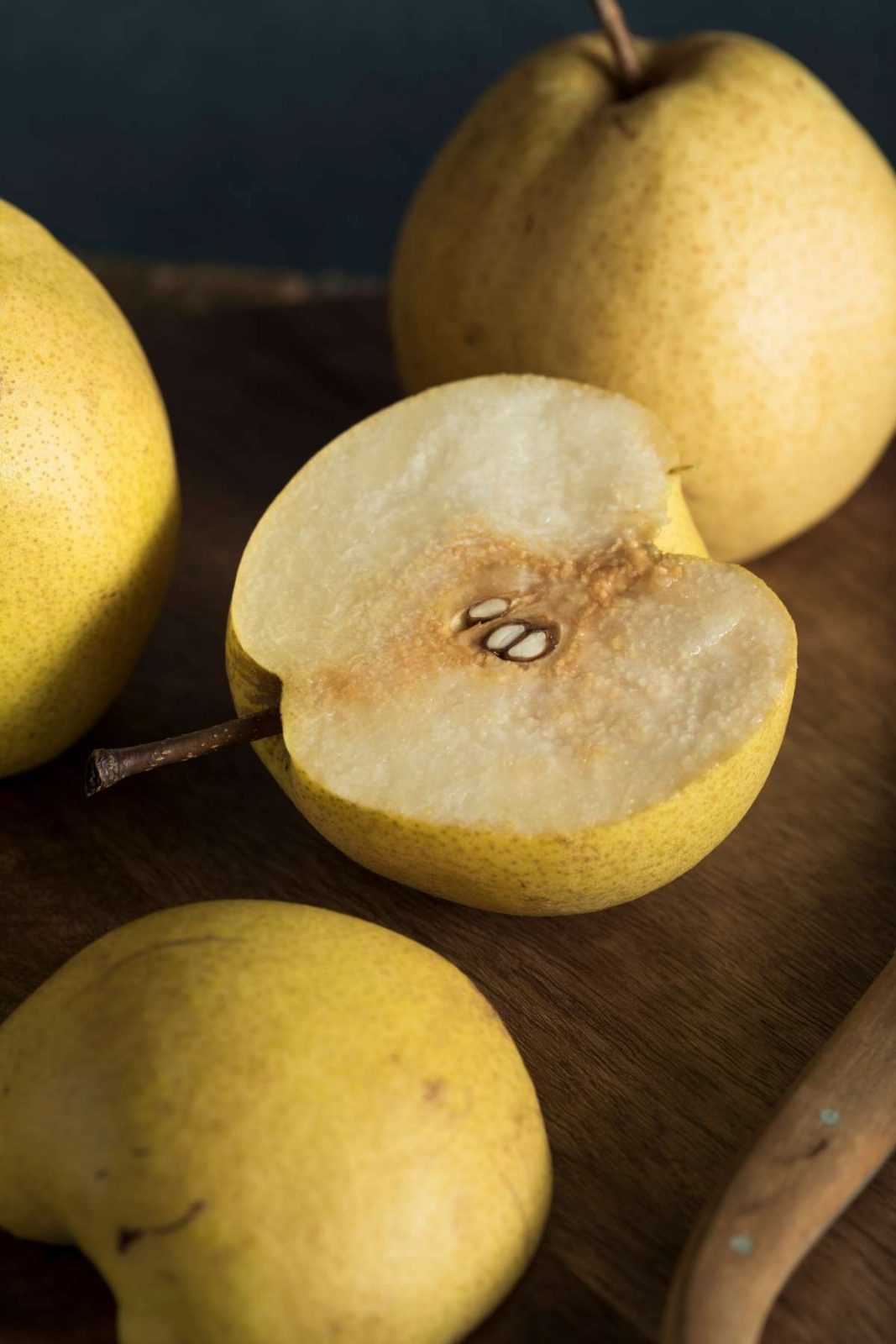
This fruit has many names including Chinese pear, Japanese pear, or Korean pair. The East Asian pear is a sign of the beginning of spring.
The fruit has a grainy texture compared to western pears since it holds lots of water. This fruit tastes best when eaten fresh. It is not typically cooked or baked.
Guava

Guava fruit comes in many sizes and colors. For example, smaller red guava fruit is common in Mexico. This fruit can be sweet or sour. When it is ripe, it has a sweet smell and is soft to the touch.
Passion Fruit
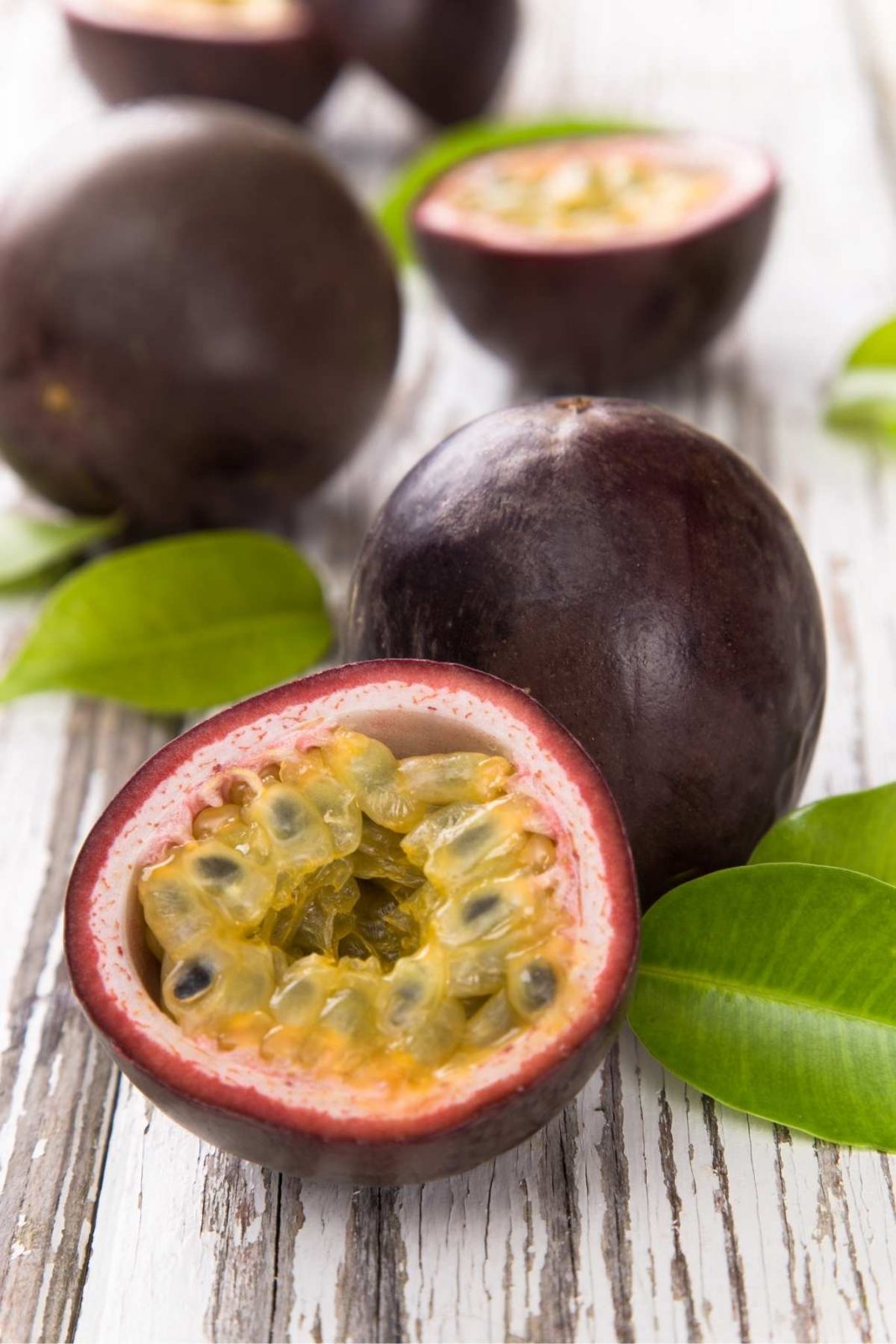
Passion fruit actually originated in Africa but it’s such a common sight and popular fruit in Asia, as well. Passion fruit has a delectably tart flavor and floral aroma. They can be used in desserts, but they taste great as is.
Dragon Fruit
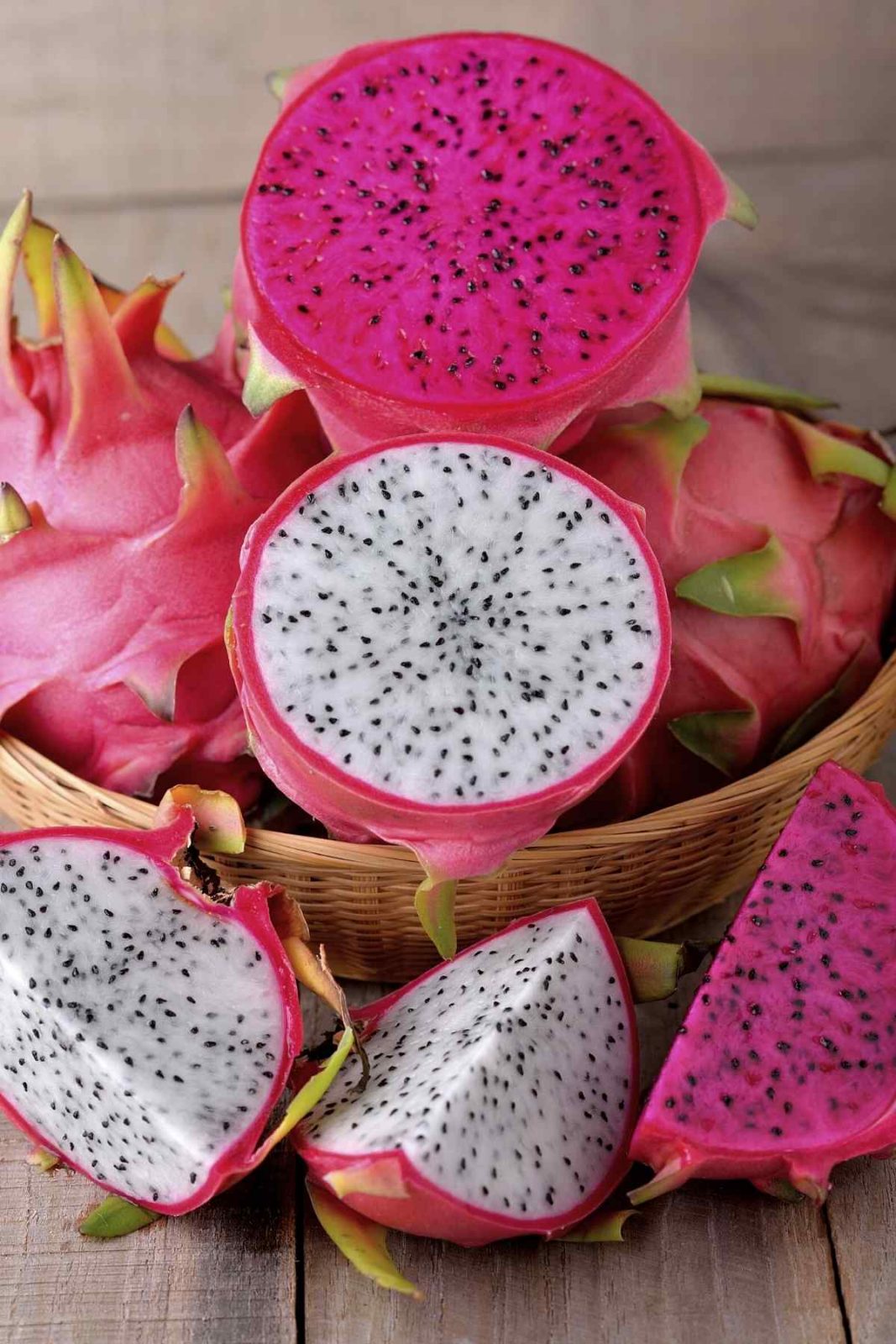
Also known as pitaya, dragon fruit actually comes from the Americas but is super popular in Asia. It’s great in breakfast bowls and even over ice cream or in smoothies. It’s sweet and has a similar texture to kiwi but is a little crunchier.
It’s high in antioxidants and loaded with nutrients. It grows on a cactus plant and is commonly found in the United States.
Durian

Though it’s famous for its unpleasant smell when cut open, this spiky brown fruit is actually pretty sweet. It is a mix of sweet and sour and is very tasty if you give yourself a chance to appreciate it. It’s great in milkshakes, smoothies, ice cream, and even in cappuccinos. It is frequently eaten raw alongside sticky rice in Thailand.
Pomelo
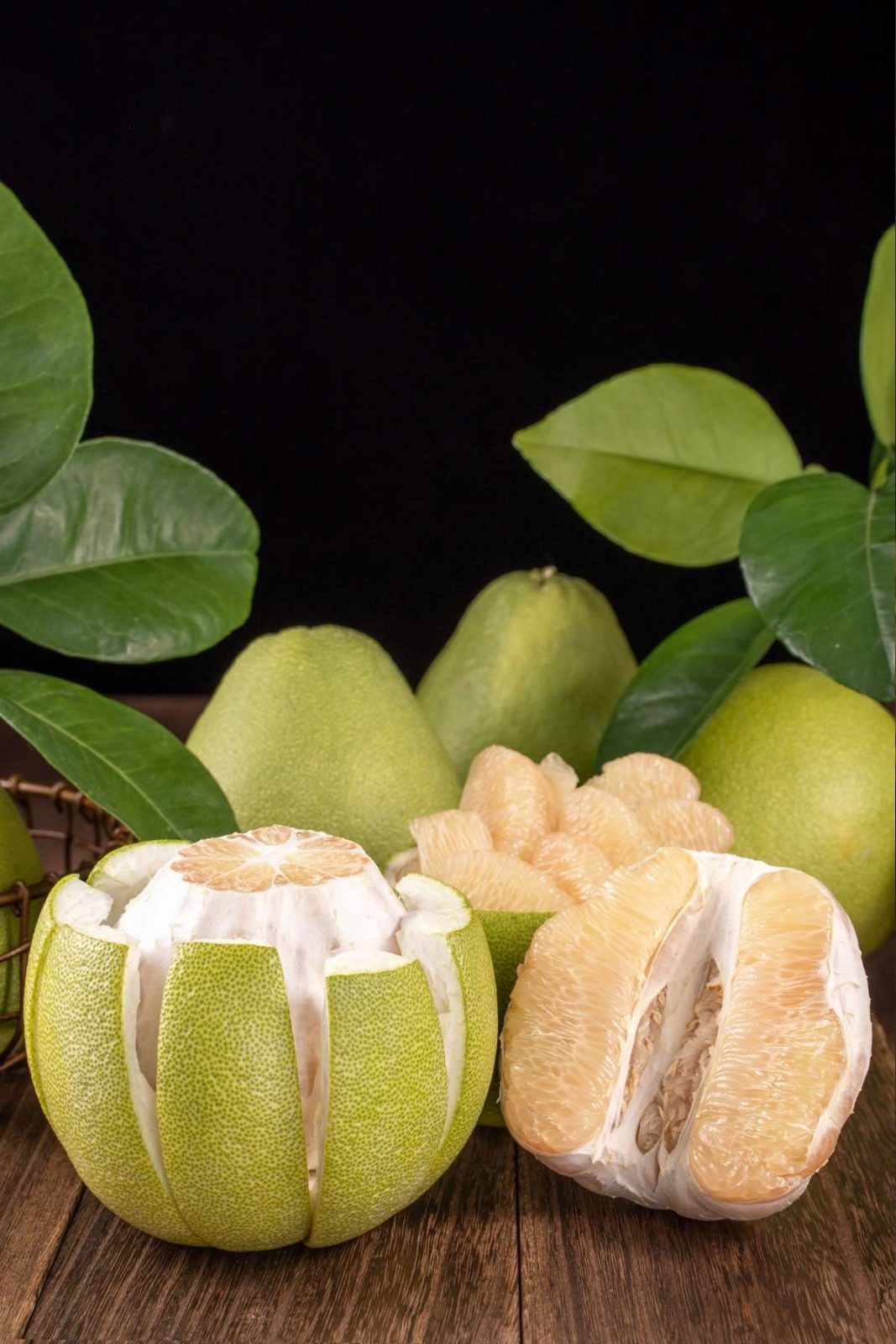
Pomelo resembles an orange but has a sweeter taste. It is milder than a grapefruit. It’s still a citrus fruit, so it’s high in vitamin C. You can peel the thick skin off or cut it into wedges like oranges.
Loquat
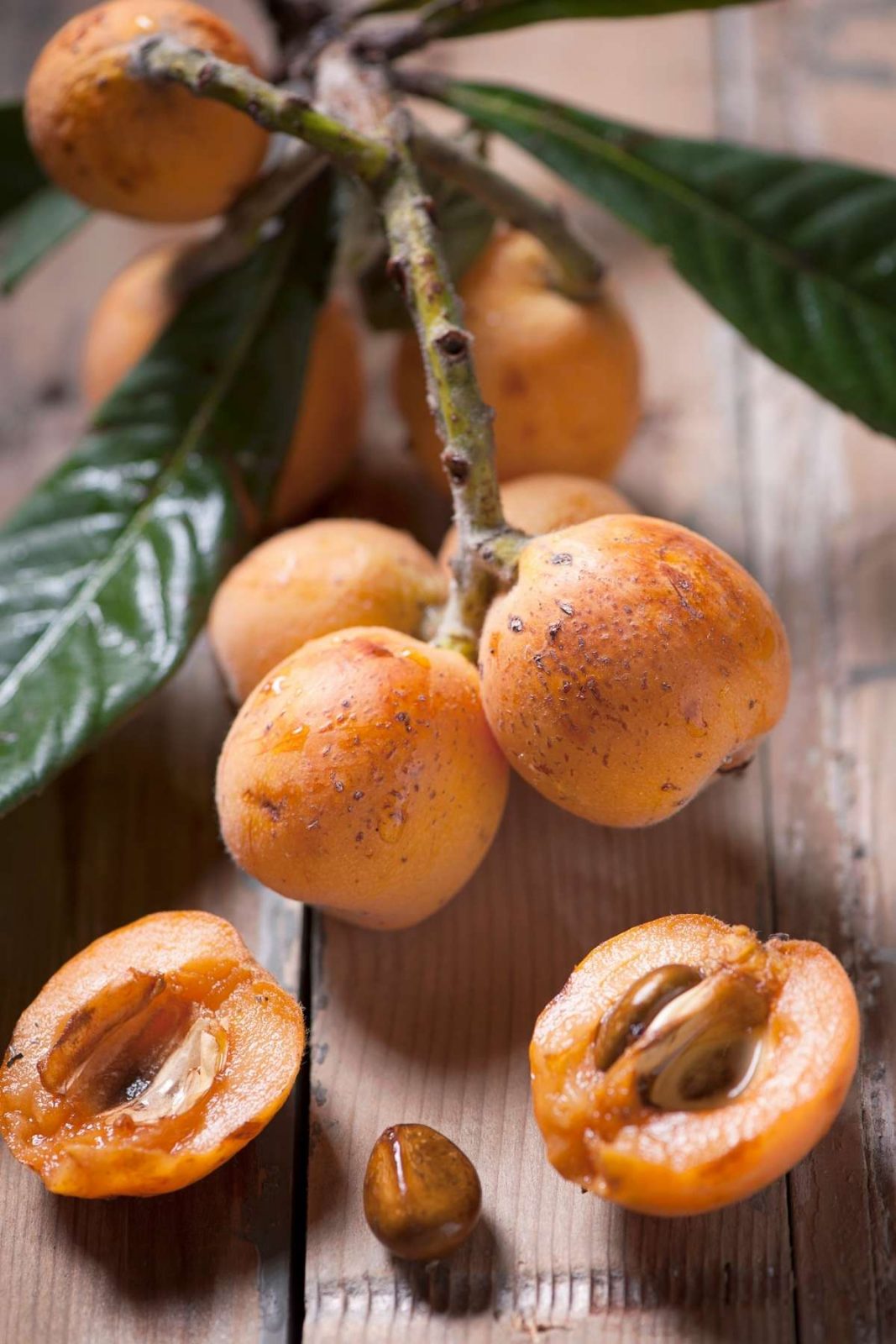
Loquat is part of the Rosaceae collection of fruits and is originally cultivated in south-central China. It grows on an evergreen shrub tree and also has a sweet yet tart taste. Be careful not to pick this fruit too soon. Unripened loquat is a little sour but ripened fruit is just sweet enough. Ripe fruit is bright yellow and orange and soft on the outside.
Rambutan
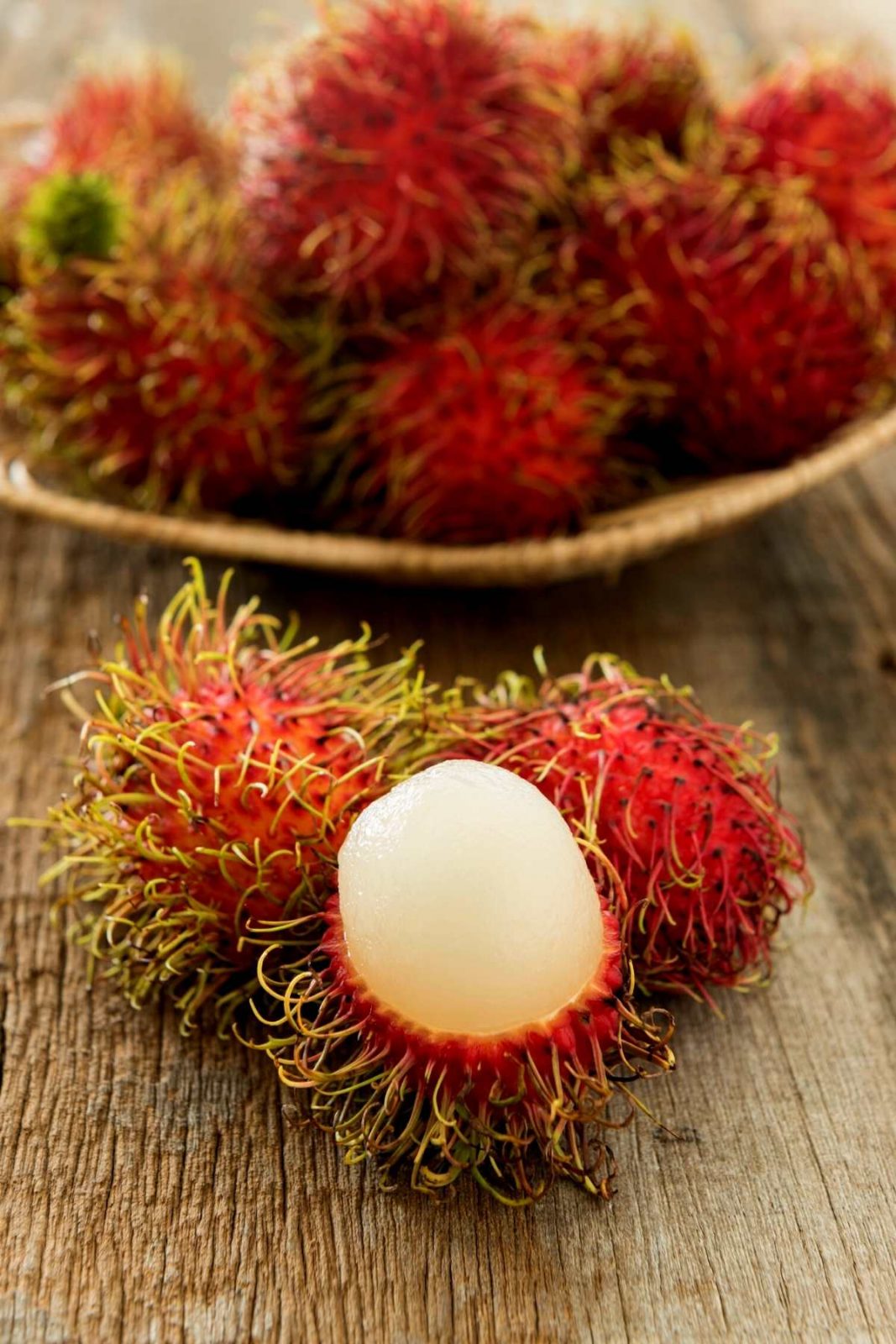
Hailing from Indonesia and Malaysia, this fruit grows on the rambutan tree. It is similar to lychee but slightly bigger. Unpeeled, rambutan is red like lychee but covered in unique-looking hair. The hairs are green when the fruit is picked and only turn red a few days later.
The fruit flesh inside has an off-white or light pink tone and tastes very similar to grapes. It is high in fiber, vitamin C, and other nutrients.
Mangosteen
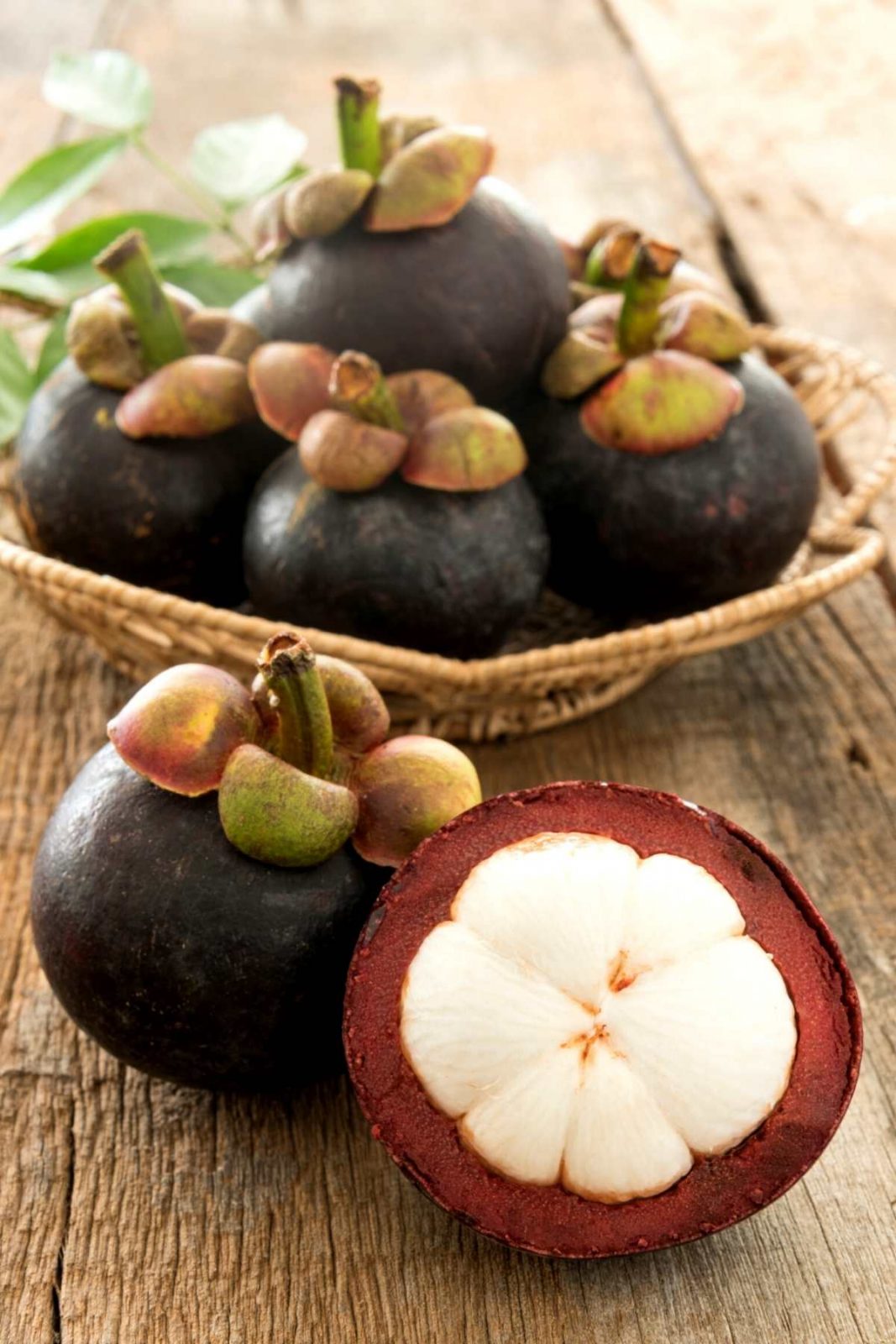
Mangosteens are high in antioxidants and are known for their anti-inflammatory effects. They have few calories and are loaded with nutrients. They hail from the Indonesian islands. They have a purple rind that isn’t edible, but the fruit inside is sweet and tangy. It’s a tropical flavored fruit with hints of lychee, peach, banana, strawberry, and vanilla.
Longan
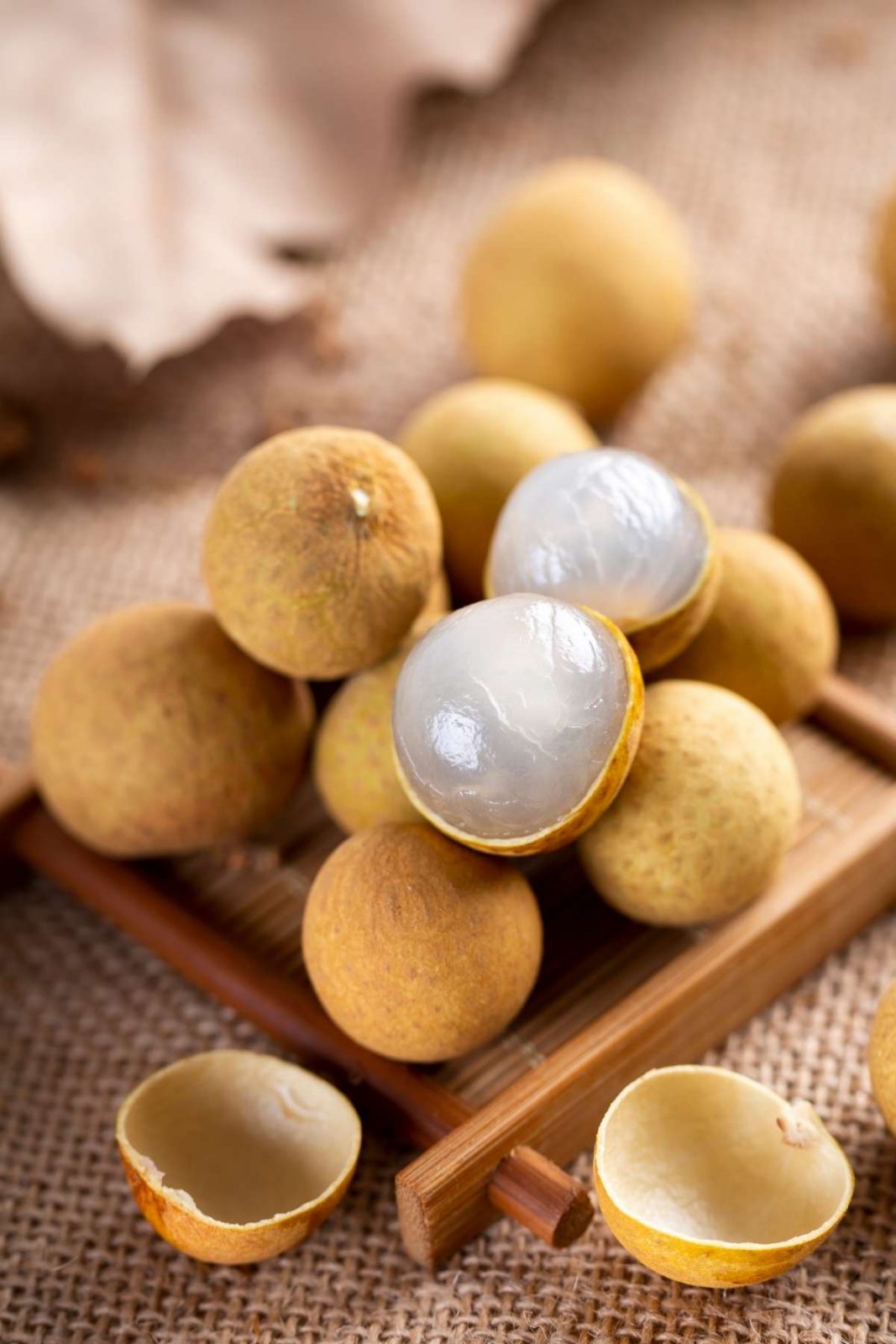
Also part of the lychee and rambutan families, this Chinese fruit’s name is Cantonese for “Dragon Eye.”
The rind and the black center are not edible. The translucent white flesh is edible and is typically consumed raw. It’s often used in soups and desserts.
Chinese Bayberry
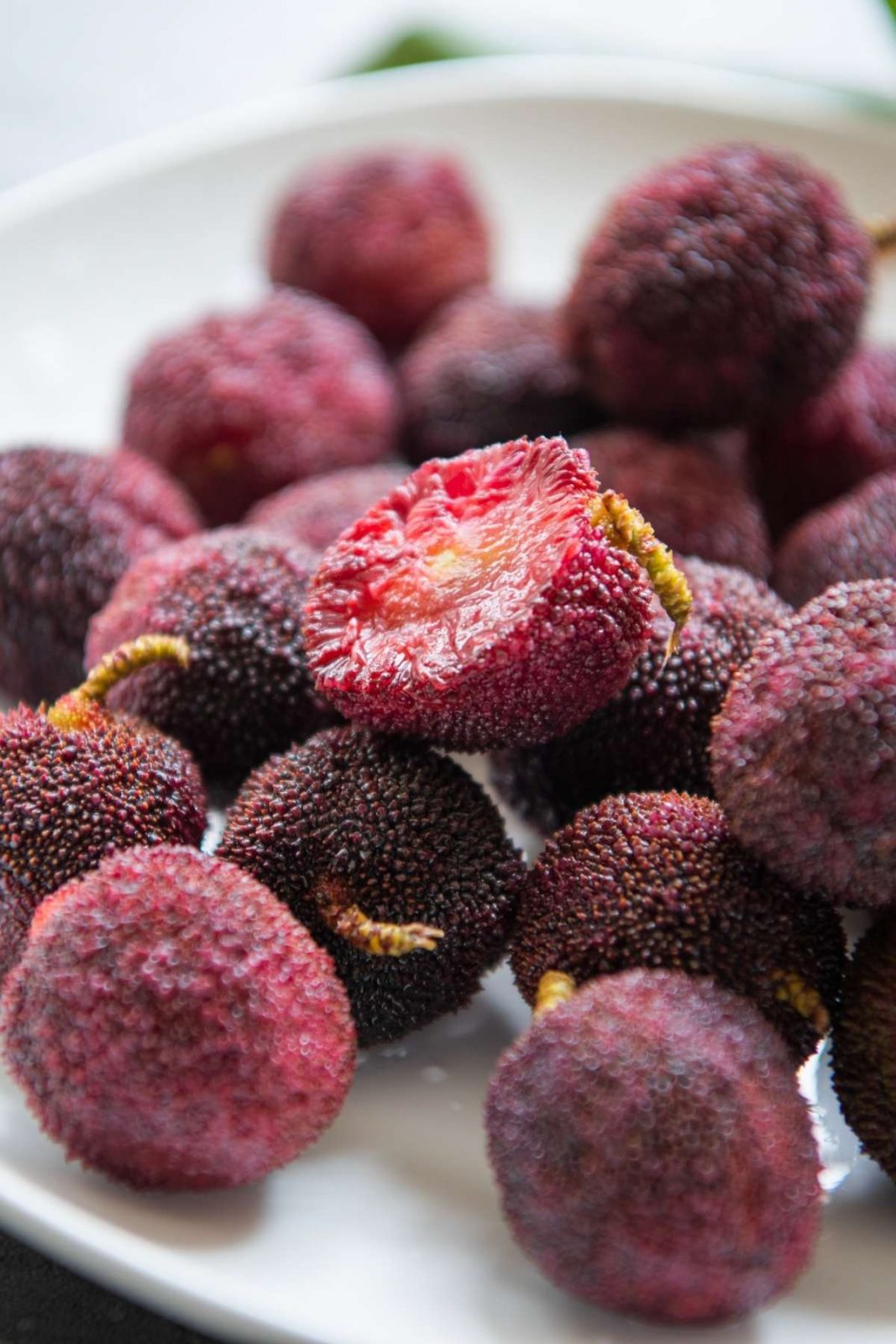
Covered in hundreds of bumps known as wax berries, the Chinese bayberry is sweet and tart. It’s typically consumed raw but can also be enjoyed dried, canned, or fermented. Because of its anti-inflammatory effects, it is commonly used in Chinese medicine.
Starfruit
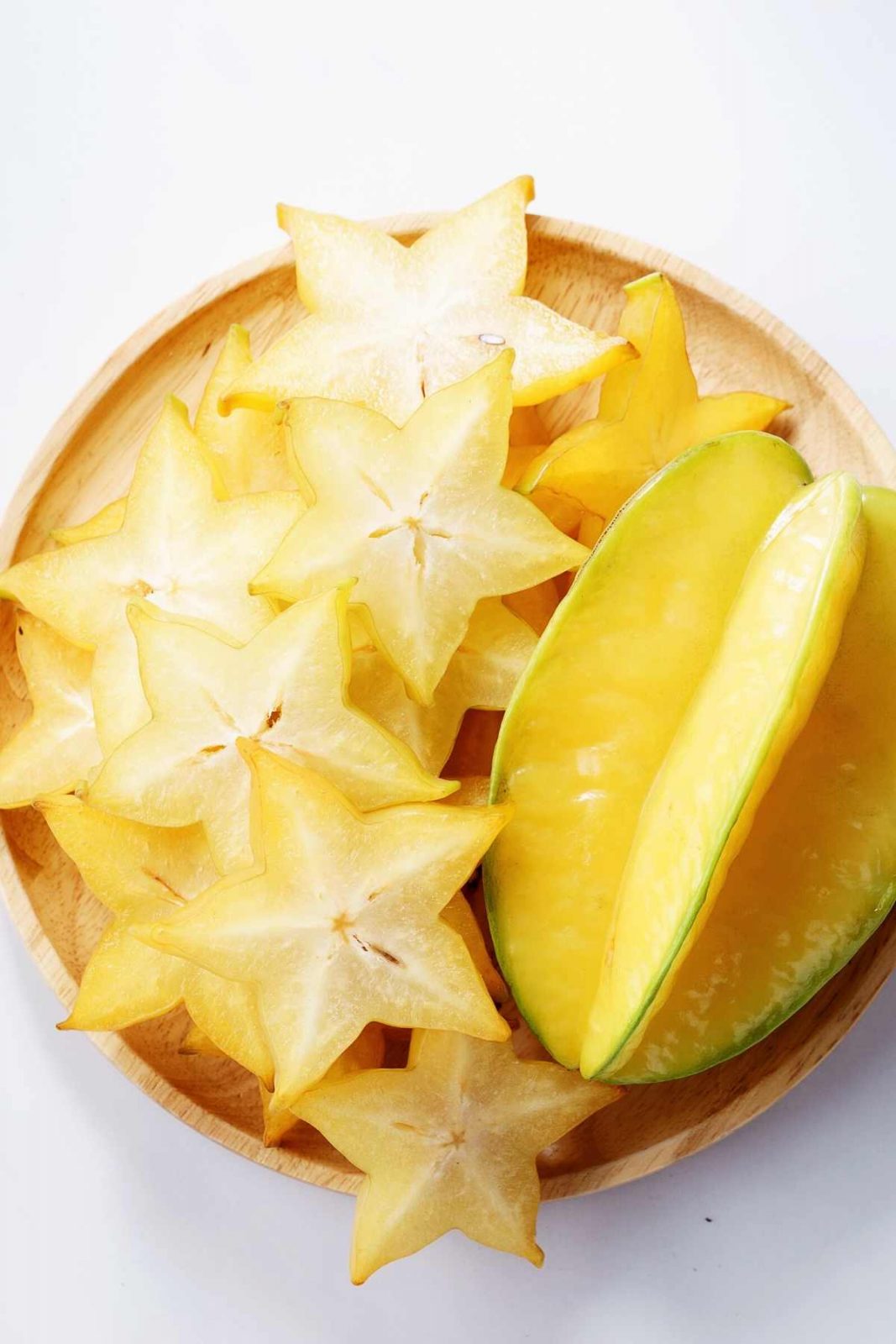
Originally from the Philippines, Vietnam, Sri Lanka, and the Indian subcontinent, this fruit has a yellow peel with many leaf-like ridges in it.
Starfruit is used in tropical drinks and juices. It has a tart and sour taste and the texture is very similar to grapes.
Breadfruit
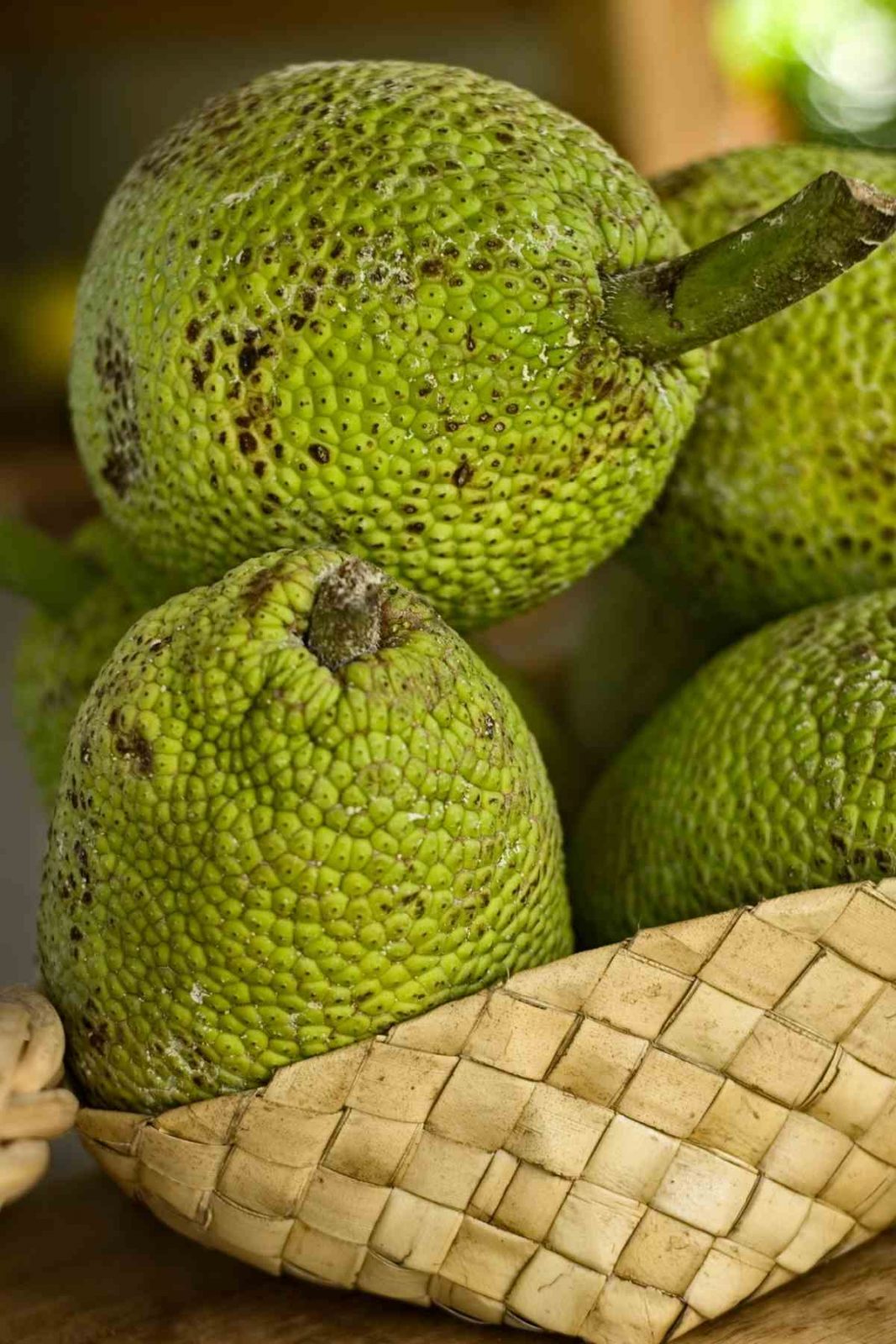
From the mulberry and jackfruit families, breadfruit also grows on a tree. The name comes from the texture it has when it is cooked, which is similar to potatoes or bread.
Typically from New Guinea, Indonesia, and Malaysia, the timber of the breadfruit tree is often used to build ships and homes in the area. It has green and slightly bumpy skin with white flesh on the inside. It can be consumed raw, or it can be roasted, boiled, or fried first.
Mango
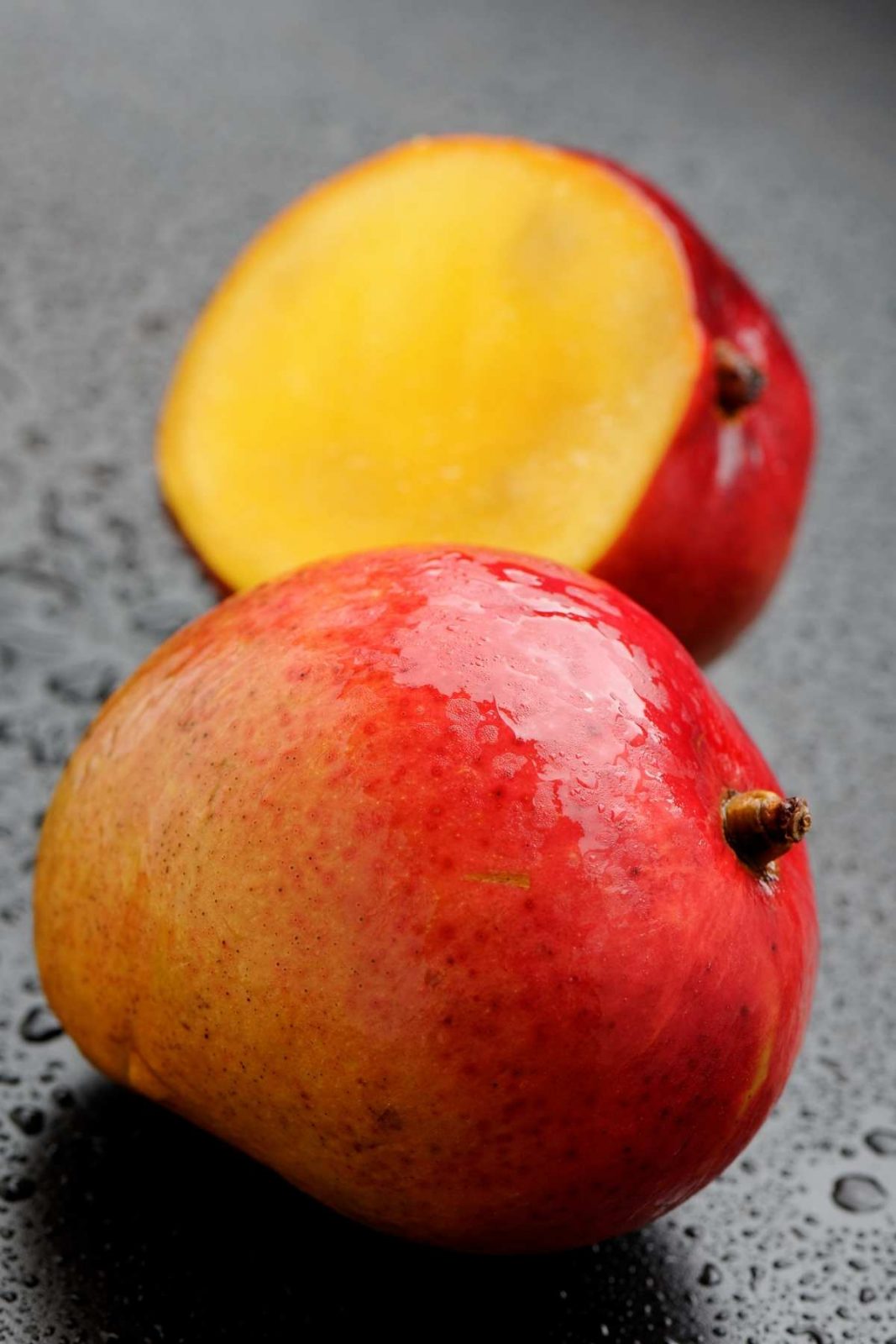
The national fruit of India, Haiti, and the Philippines, there are so many delicious varieties of mango fruit. They differ in size, color, shape, and level of sweetness, but they’re all delicious. Mango can be found anywhere in the world but some of the most delicious mangoes hail from East Asia.
When the skin turns from green to yellow or red, the fruit is ready. They should be soft, but not mushy. Some varieties have a tangier taste while others are sweeter.
Snake Fruit
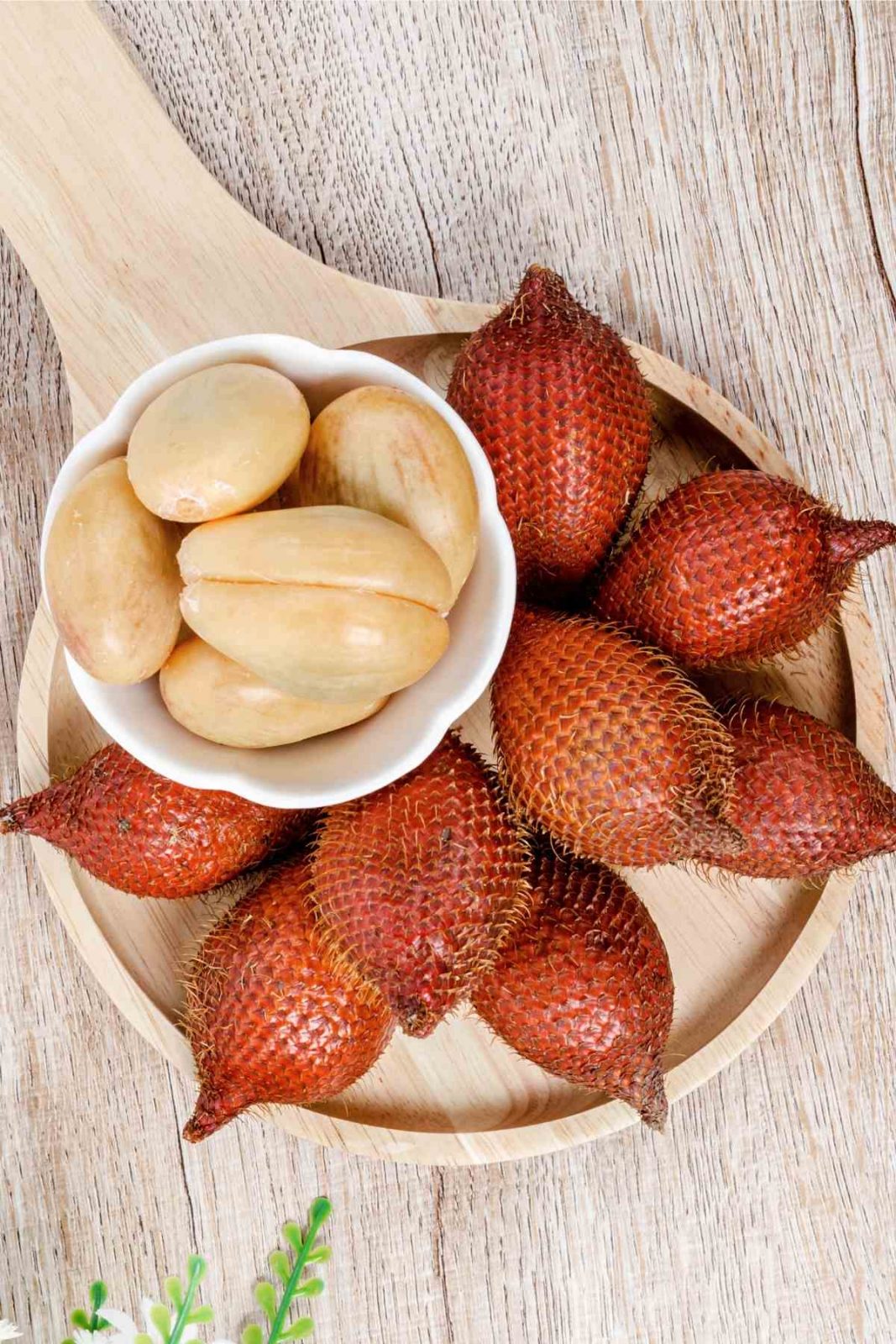
From the Salak tree, snake fruit gets its name from its scaly skin. It has a sweet honey-like taste and a hint of tart citrus flavor. It’s about the same size as a fig but is high in beta carotene. It is very helpful with indigestion.
Japanese Persimmon
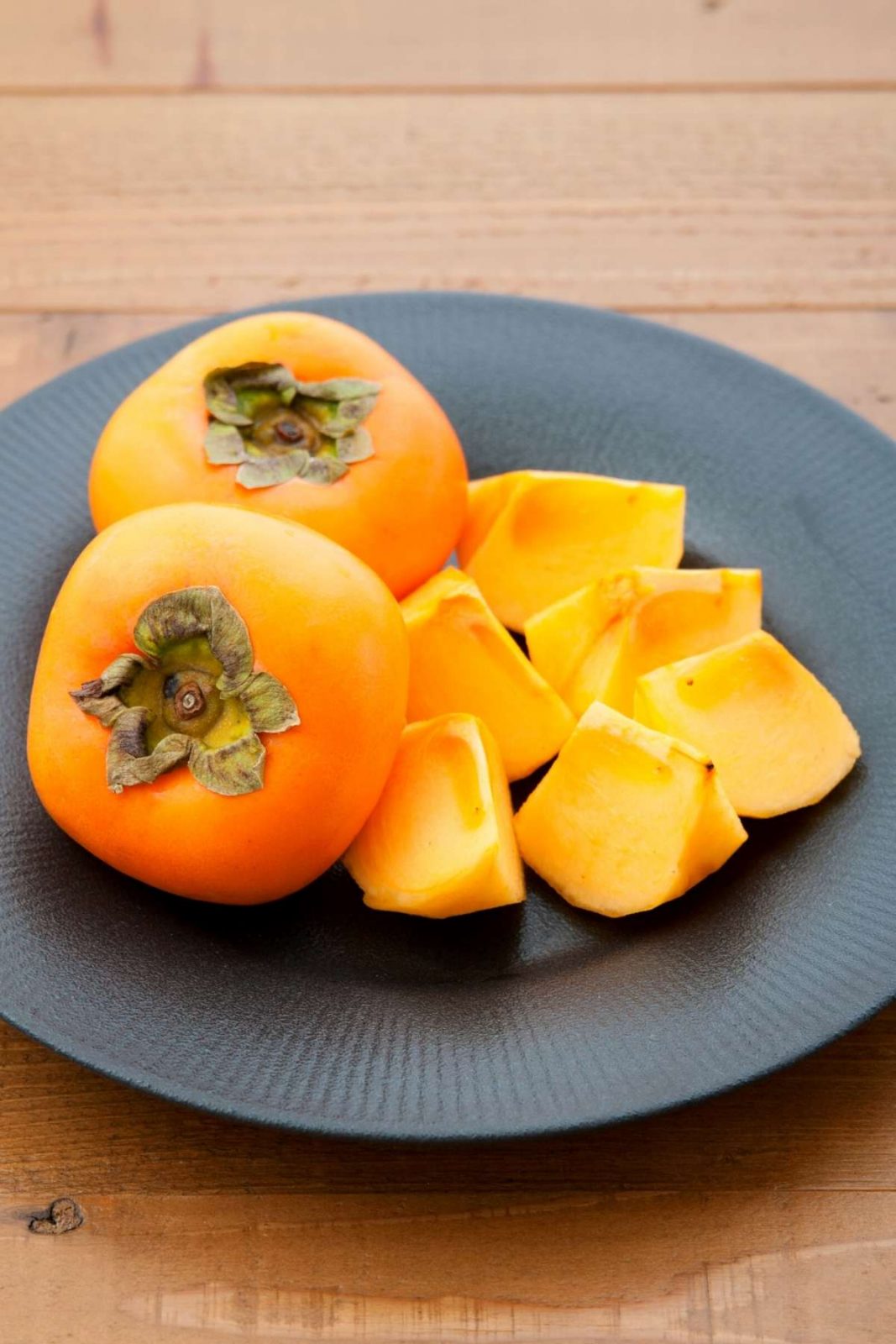
Japanese persimmons can be used in desserts, bread, or served on fresh fruit platters. It is native to Japan, China, and Korea, but you can also find other persimmon varieties in Europe and the Americas.
In their raw state, Japanese persimmons are sweet, high in fiber, and loaded with nutrients.

How to Eat Asian Fruit Pomelo
Ingredients
- 1 pomelo
- 3 cups baby spinach leaves
- 1/2 cup walnuts
- 1/4 cup crumbled cheese
- 1/4 cup balsamic vinaigrette
Instructions
Cut and Peel the Pomelo
- Slice one inch off the top of your pomelo fruit.
- With a sharp knife, score the skin about a half-inch deep from the top to the bottom, dividing it into 6 to 8 sections.
- With your fingers, separate the skin from the flesh. Remove the pit.
- Cut the flesh into 1-inch pieces and serve.
Make the Salad
- Rinse spinach leaves thoroughly and dry with paper towels or run through a salad spinner.
- Add spinach, walnuts, and cheese to a salad bowl.
- Drizzle balsamic vinaigrette and toss the salad until well combined.
- Garnish with pomelo pieces and serve.
Leave a Reply